
Is a vending machine revenue share worth it for your sports facility?
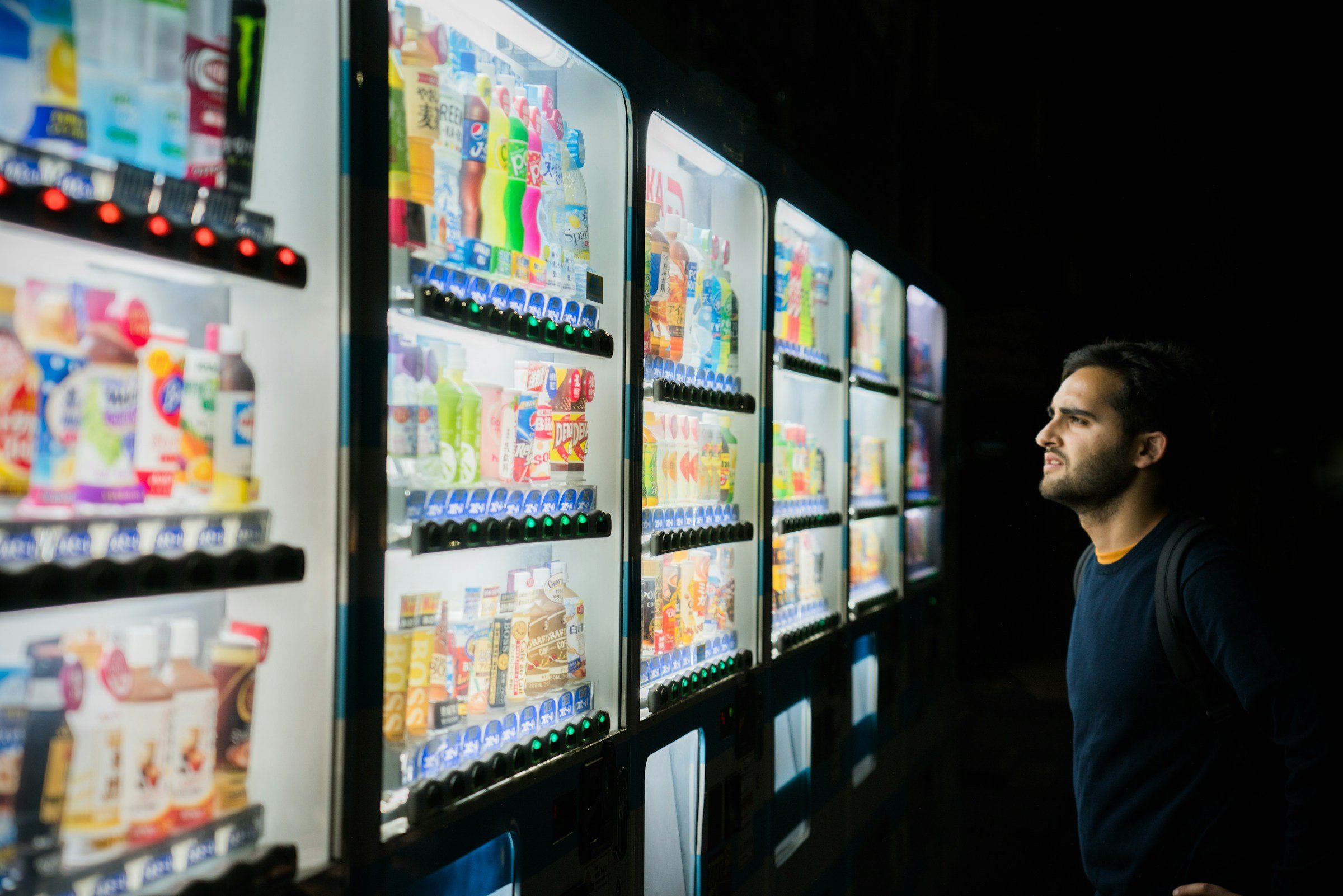
You've probably been approached by a vending operator at some point. Maybe more than once. They offer to place a machine, mention something about a commission, and leave a card.
Most facility managers file it away and forget about it. Here's why that might be a mistake - and how to think about whether a vending machine revenue share is actually worth pursuing for your facility.
The case for saying yes
The core argument is simple. You have space. People visit your facility regularly and stay for extended periods. Some of them get hungry. Right now, when they get hungry, they either leave to find food, go without, or use whatever vending machine you already have.
A revenue share arrangement turns that existing behavior into income. You're not creating demand - the demand is already there. You're just capturing it, and getting paid a percentage for providing the space that makes it possible.
Zero upfront cost. Zero staff involvement. Zero repair or maintenance responsibilities. A monthly payment for doing nothing.
The case for being selective
Not all vending operators are worth saying yes to. The ones who disappear after installation, service the machine sporadically, and stock it with generic junk food generate low sales volume - which means low revenue share for your facility.
A poorly run vending machine also creates friction with your customers. An empty machine, a broken payment reader, or products that nobody wants to buy reflects on your facility even though you didn't choose any of it.
The revenue share model only works well when the operator is genuinely good at their job. That means proactive restocking, fast maintenance response, transparent reporting, and products that your customers actually want.
How to evaluate whether it's worth it for your specific facility
Ask yourself three questions. How many people come through your facility per week? How long do they stay? Do they currently have good food options nearby?
The ideal vending placement is a venue with high weekly traffic, long dwell times, and limited food alternatives. A hockey rink with early morning practices and weekend tournaments fits perfectly. A gymnastics studio with three-hour training blocks fits perfectly. A bowling alley where families spend four hours on a Saturday fits perfectly.
If your facility checks those boxes, a well-run vending machine will generate meaningful sales - and meaningful revenue share.
What "meaningful" actually looks like
At a typical youth sports venue with consistent traffic, a well-placed machine generating $1,500-$2,000 per month in sales produces $150-$200 in monthly revenue share at 10%. That's $1,800-$2,400 per year.
For context - that's a small but real contribution to your facility's bottom line, from space that was previously generating nothing. For a facility that runs on thin margins and multiple revenue streams, passive income with no associated cost or labor is worth taking seriously.
The question most facility managers don't ask
Most managers evaluate vending machine revenue share as a financial question. The smarter question is also a brand question: what do the products in this machine say about your facility?
A machine full of seed-oil chips and artificially dyed candy in a youth sports facility sends a message. So does a machine full of clean, real-ingredient snacks. The second machine generates revenue. It also signals something about what your facility stands for - and that signal matters to the nutrition-conscious parents who make up a growing share of your customer base.
The verdict
For most youth sports facilities, a well-structured vending machine revenue share is worth pursuing. The financial upside is real, the downside risk is minimal, and the right operator makes the whole thing genuinely hands-off.
The key word is "right." Vet the operator. Ask about products, restocking, reporting, and contract terms. A legitimate operation will welcome those questions.
Better Snacks Co. partners with sports facilities on a straightforward revenue share model. Clean snacks, transparent reporting, zero hassle.