
The vending machine revenue share conversation every sports facility manager should have
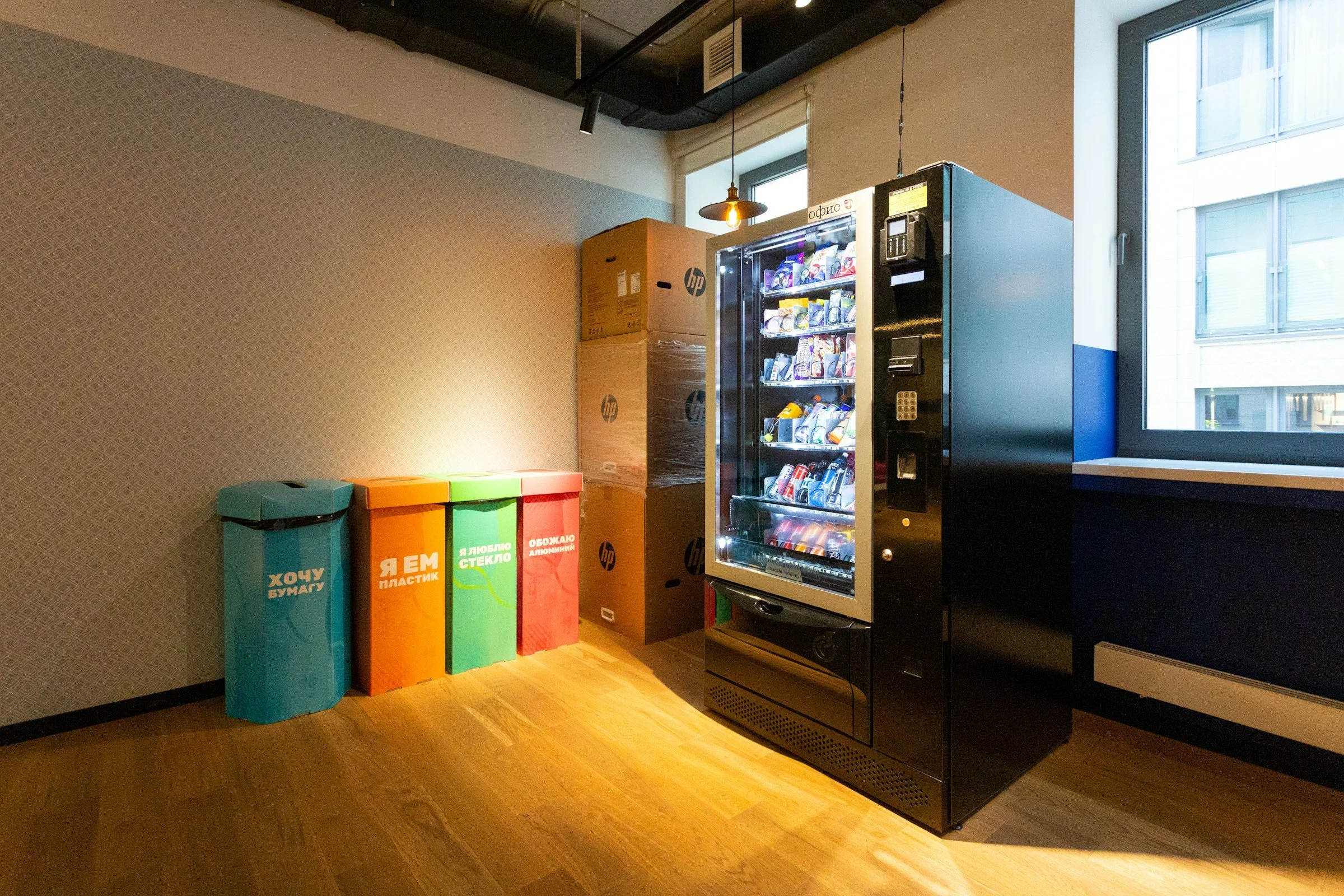
Most sports facility managers have never had a real conversation about vending machine revenue share. They signed whatever contract the regional operator put in front of them years ago, or they have a machine on a handshake agreement, or they've just never gotten around to thinking about it.
This post is about the conversation worth having - what to ask, what to push back on, and what a fair deal actually looks like.
Start with the product conversation
Before you talk about percentages, talk about products. What exactly will be in the machine? Can you see a product list? What is the operator's ingredient standard?
This matters for two reasons. First, the products determine how much your customers buy - and your revenue share is a percentage of sales. A machine stocked with things your customers actually want generates more revenue than one stocked with generic junk nobody's excited about. Second, the products reflect on your facility. A youth sports venue that's made a decision about clean snacks is a different kind of facility than one that hasn't.
Watch out for operators that market themselves as “healthy.” Many healthy vending machines for kids have no real ingredient standards. There’s no firm stance on seed oils or artificial dyes. They rely on front-of-package claims when choosing products.
If the operator can't tell you specifically what's in the machine, or if their answer is "whatever sells," that tells you something important about how they operate.
Then talk about the percentage
Industry standard for vending revenue share runs 10%+. Where your facility lands in that range depends on your traffic volume, dwell time, and the alternatives available to your customers.
For youth sports venues - where families visit multiple times per week, stay for hours, and often have no other food options nearby - 10% is a reasonable baseline. Don't accept less without a clear reason. If the operator pushes back significantly on 10%, ask them to explain the math. A well-run machine at a busy sports facility should generate enough volume for a 10% share to work for both sides.
Ask about restocking
This is the question most facility managers forget to ask - and it's the one that determines whether the arrangement is actually passive or quietly annoying.
Ask the operator: how do you know when the machine needs restocking? How quickly do you respond? What's your process when inventory runs low?
The right answer involves remote monitoring - the operator tracks sales data in real time and schedules restocking before the machine runs empty. The wrong answer is anything that involves you noticing the machine is empty and calling to tell them.
A machine that frequently runs low on stock frustrates your customers and generates less revenue. This is a service quality question as much as a logistics one.
Ask about maintenance
Same principle. When something breaks - a payment reader goes down, a coil gets stuck, the machine stops dispensing - what happens?
The operator should handle it entirely. You should never be in the position of managing a maintenance issue with a machine that isn't yours. Ask for a typical response time and ask whether they have remote diagnostic capability. Good operators know there's a problem before you do.
Ask about reporting
Every monthly payment should come with documentation. A breakdown of sales volume, total revenue, and your calculated share. You should be able to verify that the number you're receiving is accurate.
If the operator offers to pay a flat monthly fee instead of a percentage - "just $75 a month, easier for everyone" - push back. A flat fee protects the operator from sharing upside when the machine performs well. A percentage aligns their incentives with yours. When the machine does well, you both do well.
Ask about contract terms
A 12-month initial term is fair and standard. It gives the operator enough time to optimize the machine for your venue and traffic patterns. After the first year, you should be able to exit with reasonable notice - 30 days is standard.
Be cautious about multi-year lock-ins, early termination penalties, or agreements that give the operator exclusive rights to all vending at your facility indefinitely. Those terms favor the operator. A confident operator with a good product doesn't need those protections.
Before signing anything, make sure you understand what you actually have to do to get a vending machine at your facility.
The conversation in one sentence
“Tell me exactly what's in the machine, how you'll keep it stocked, what happens when something breaks, and show me the math on how my monthly payment is calculated.”
A good operator answers all four without hesitation. That's who you want in your facility.
Better Snacks Co. welcomes every one of these questions. Our revenue share, full monthly reporting, remote monitoring, clean ingredients. We're happy to walk you through everything before you commit to anything.