
What are seed oils and why we ban them from our vending machines
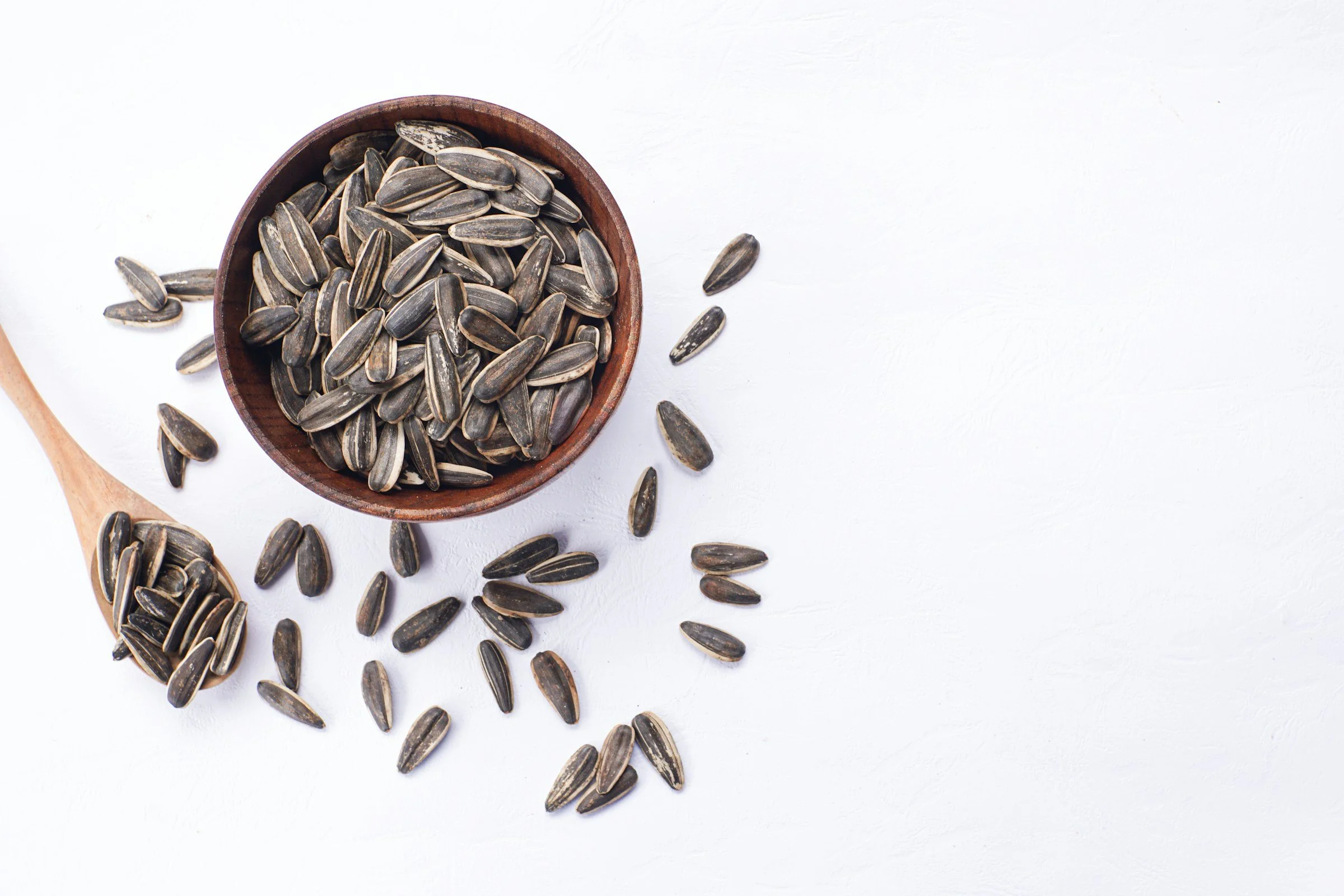
If you've spent any time reading food labels lately, you've probably noticed seed oils everywhere. Canola oil. Soybean oil. Sunflower oil. Safflower oil. Corn oil. They're in almost every packaged snack on the market - chips, crackers, granola bars, protein bars, even in things marketed as healthy.
At Better Snacks Co., we don't carry any of them. Here's why.
What seed oils actually are
Seed oils are vegetable oils extracted from seeds - soybeans, sunflowers, rapeseeds (canola), corn, cottonseed, grapeseed, and others. They're not inherently new - humans have consumed plant-based fats for centuries. What's new is the industrial process used to produce them at scale.
Modern seed oil production involves high heat, chemical solvents, and deodorization processes that strip out natural flavors and produce a neutral, shelf-stable oil at very low cost. So like artificial dyes and additives, the result is a cheap product with a long shelf life that works well for mass food manufacturing.
That's why seed oil is in everything.
Why seed oils are controversial
The health debate around seed oils centers primarily on their fatty acid composition. Seed oils are extremely high in omega-6 polyunsaturated fatty acids - specifically linoleic acid. The human body needs omega-6 fatty acids, but in balance with omega-3 fatty acids.
The problem is that the modern Western diet has dramatically shifted that balance. A century ago, the estimated ratio of omega-6 to omega-3 in the human diet was around 4:1. Today, largely because of the proliferation of seed oils in processed food, that ratio is estimated to be anywhere from 15:1 to 25:1 or higher.
This imbalance is associated in research with increased inflammation, and chronic inflammation is linked to a wide range of health concerns. The research is ongoing and not fully settled - but the direction of the evidence is uncomfortable enough that many nutrition researchers and clinicians have started recommending people reduce their seed oil consumption.
Why this matters especially for kids
Children's diets are already heavily weighted toward processed packaged snacks - exactly the category where seed oils dominate. When a kid's snack options are limited to what's in a school vending machine, a sports facility lobby, a bowling alley, or a convenience store cooler, seed oils become almost unavoidable.
That's the problem we're trying to solve. Not by lecturing parents or making food complicated - but by making sure that when a hungry kid reaches into a vending machine after practice, the snack they pull out was made with coconut oil, not canola. With real ingredients, not industrial byproducts.
What we use instead
Every product in a Better Snacks Co. machine is selected in part because of what it's not made with. Our snacks use coconut oil, avocado oil, olive oil, or no added oils at all. Grass-fed beef sticks. Fruit bars made from two ingredients. Popcorn popped in coconut oil. Real food, made the way food used to be made before seed oils became the default.
It's not a complicated standard. It just requires actually reading the ingredient list - which most vending operators don't bother to do.
Click to read our snack standard – what’s included and what doesn’t make the cut.
The bottom line
Seed oils aren't poison. But they're also not neutral. And when you're stocking a machine that kids are going to eat from multiple times a week, the ingredient standard matters. We made a hard rule against seed oils from day one because we believe the snack a kid grabs at the rink or the gym should meet the same standard as the snack their parents pack at home.
No exceptions.
Every product in a Better Snacks Co. machine is seed oil free. No canola, no soybean, no sunflower, no corn oil - ever. See our snack standard. →