
The Smart Snacks standards explained - and why we go further
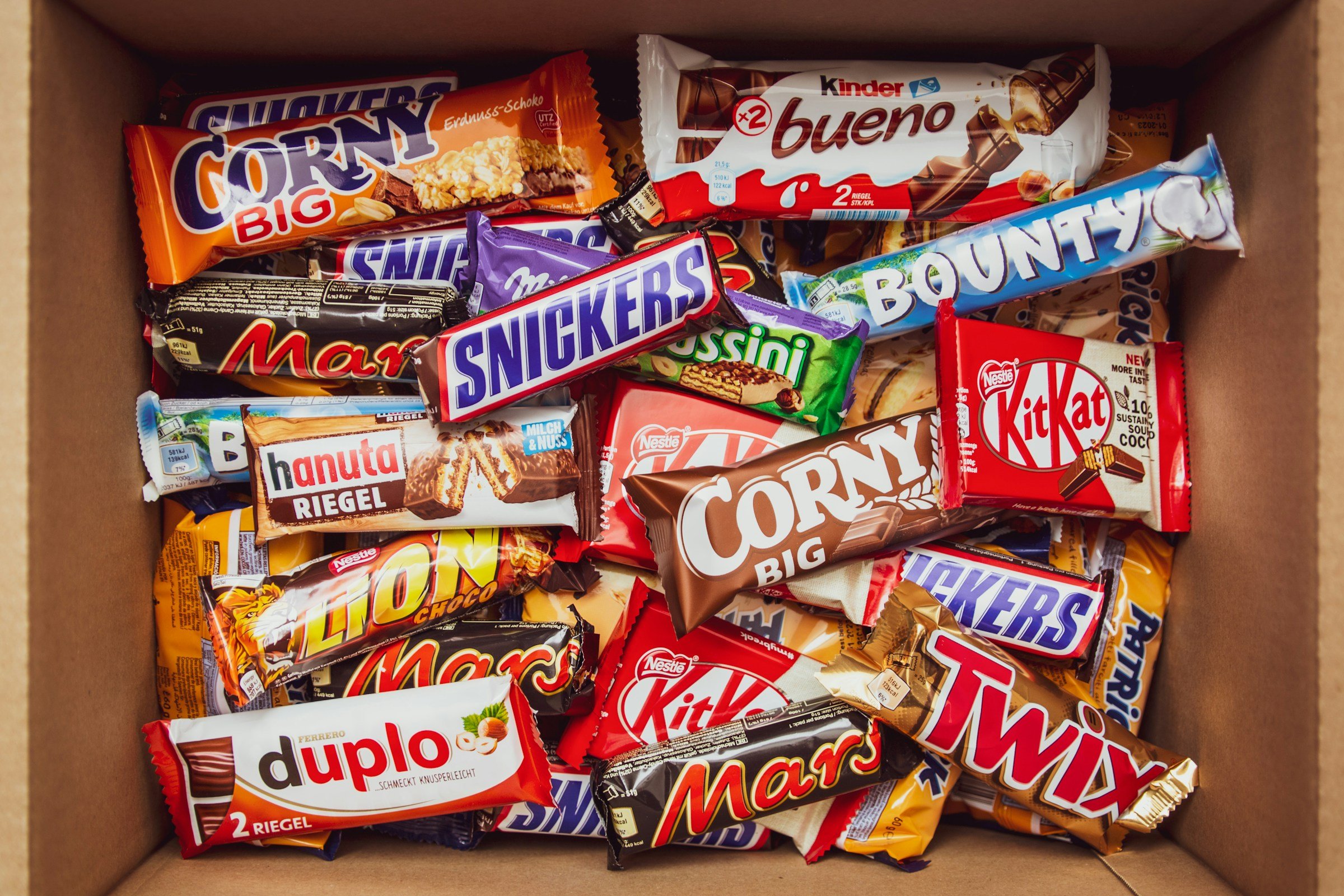
Most vending machines in schools are already “Smart Snacks approved.”
That sounds reassuring. Calories are capped. Sodium is limited. Sugar is controlled.
But that’s only one part of the story.
Smart Snacks standards are USDA nutrition rules for food and drinks. They set limits for calories, sodium, fat, and sugar, but they don't evaluate ingredient quality.
A protein bar can meet every Smart Snacks rule and still be packed with a long ingredient list, seed oils, artificial dyes, and sweeteners that many families now avoid.
The system was built to regulate nutrition numbers. Not ingredient quality. And that gap matters more in kids’ spaces where snacks are always within reach.
What Smart Snacks covers
The USDA Smart Snacks rules were created to set baseline nutrition requirements for food sold in schools. As mentioned, the focus is mostly on the main ingredients and nutrition limits for calories, sodium, fat, and sugar.
To qualify, a product must meet these general standards:
contains 50% or more whole grains by weight
lists a whole grain as the first ingredient
lists a fruit, vegetable, dairy product, or protein food as the first ingredient
contains at least ¼ cup of fruit and/or vegetables
Products should also stay within specific nutrient limits:
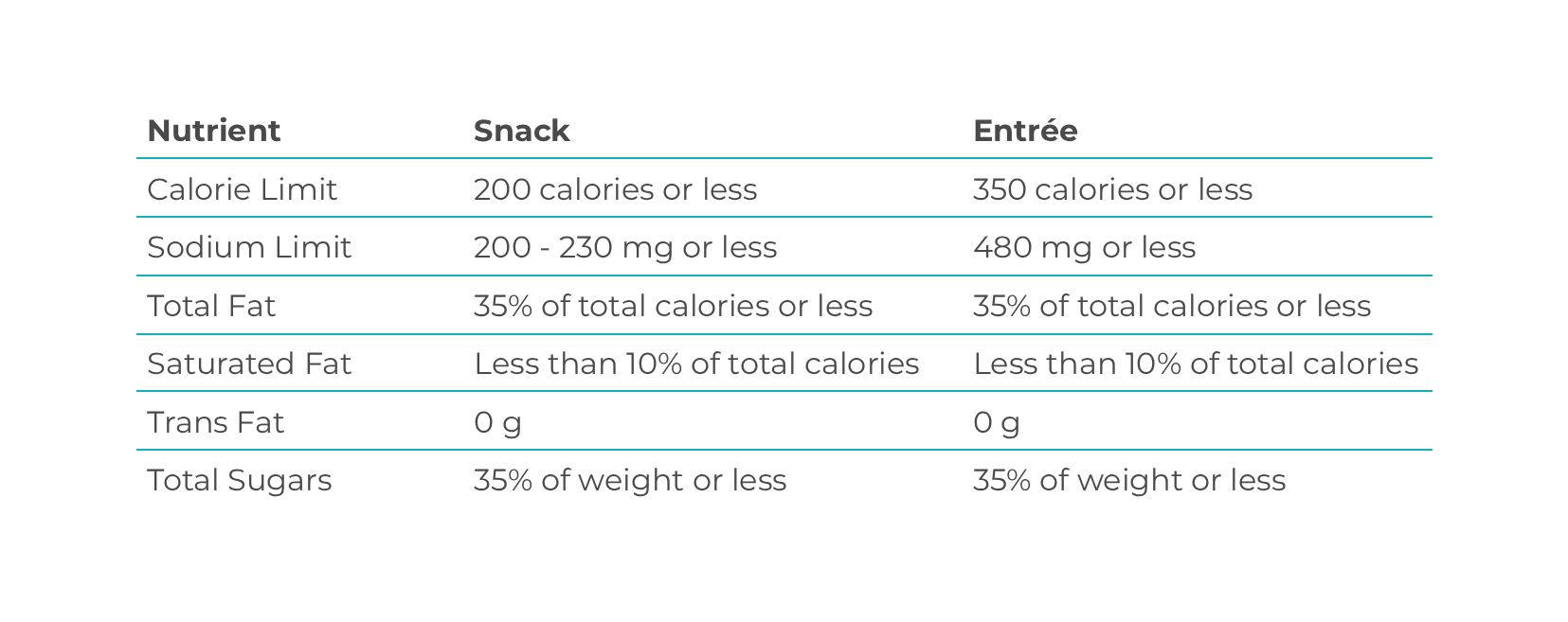
So now, school-approved vending products are lower in calories and portion-controlled. But again, that’s only part of the big picture. A common snack can still meet Smart Snacks requirements and contain a long list of heavily processed ingredients.
There’s more to consider than the limits Smart Snacks sets.
Where Smart Snacks falls short
This is the part most people miss. Smart Snacks focuses on nutrition numbers. It does not tightly regulate the ingredients inside the product.
It doesn’t consider the processing level
Smart Snacks doesn’t account for how processed a product is.
A product can still qualify even if it contains stabilizers, artificial flavors, emulsifiers, preservatives, and long additive lists. It can also include artificial dyes like Red 40, Yellow 5, and Blue 1, which studies have linked to behavioral effects in sensitive children.
All of that doesn’t matter, as long as a snack or beverage meets the nutrition limits.
It doesn’t address seed oils
Smart Snacks doesn’t ban seed oils, an ingredient more parents now actively avoid.
That includes oils like canola, soybean, corn, sunflower, safflower, cottonseed, and the generic “vegetable oil.” They’re highly processed and are associated with inflammation in some research.
It doesn’t account for artificial sweeteners and high fructose corn syrup (HFCS)
The Smart Snacks sugar limit is based on total sugars by weight, not the type of sweetener used. So it doesn’t ban HFCS or artificial sweeteners from the ingredients list.
That means a product can still stay under 35% of its weight from total sugars. HFCS and artificial sweeteners like aspartame, sucralose, and acesulfame potassium can still be used, as long as the product remains within that limit. Since most artificial sweeteners contain little to no actual sugar, they don’t raise the total sugar number much.
Our standards are stricter
So even if a snack says “Smart Snack Approved”, it doesn’t guarantee a clean ingredient list. It can still include substances parents actively avoid.
We built our standards around ingredient quality first. Not just nutrition math. They dictate what goes into our machines and what stays out.
We prioritize:
real, recognizable ingredients
short, simple ingredient lists
brands that are clear about what’s inside
products we’ve actually read the label on
naturally occurring sugars from fruit and dates
lightly sweetened products using honey, maple syrup, or coconut sugar
We also draw a hard line:
no seed oils
no artificial dyes
no artificial sweeteners
no high amounts of added sugar
no high fructose corn syrup
no mystery ingredients
We set a hard line because these ingredients are added for profit, not nutrition.
Manufacturers use seed oils and artificial sweeteners because they’re cheap and shelf-stable. Meanwhile, artificial dyes are only added for color and shelf appeal.
Many packaged snacks also contain “mystery ingredients” like emulsifiers, stabilizers, preservatives, and vague flavorings hidden behind labels like “artificial flavor.”
Research has raised concerns around seed oils because of their high omega-6 content and possible links to chronic, long-term inflammation. Artificial dyes have been studied for potential behavioral effects in children. And some synthetic sweeteners are linked to longer-term heart-related issues.
Consuming snacks and drinks with these ingredients once or twice isn’t the issue. The concern is access. In kids’ venues, constant availability can make them easy to over-consume throughout the day. That’s where the pattern starts to matter.
Our focus is different
While we do offer our machines in schools and tutoring centers, we work primarily with youth sports facilities, gyms, studios, and recreation spaces.
Smart Snacks was built specifically for school-day sales. That’s why calorie limits play such a major role in the standards. Our focus is different. We care more about ingredient quality and overall product composition than strict calorie caps, which matters in sports and recreation settings.
A hockey player leaving a two-hour practice does not have the same nutritional needs as a student grabbing a midday hallway snack. Kids in active environments are active for long stretches. And parents usually look for cleaner options, not necessarily the lowest-calorie option possible.
We don’t automatically reject a product because it crosses an arbitrary calorie threshold. We evaluate the full picture. That approach fits youth sports environments much better.
Final takeaway
Smart Snacks sets baseline nutrition rules for food sold in schools. It focuses on calories, sodium, fat, and sugar. And it has pushed vending toward lower-calorie, portion-controlled options.
But it only goes so far.
A product can meet those limits and still be highly processed with ingredients many families now avoid. That’s the gap. And in kids’ spaces with constant access, ingredient quality matters just as much as the numbers on the label.
Better Snacks Co. places clean, healthy vending machines in all kinds of kids facilities. No seed oils, no dyes, no junk – and no hassle for your staff. Request more information.