
The artificial dye problem in kids' vending snacks
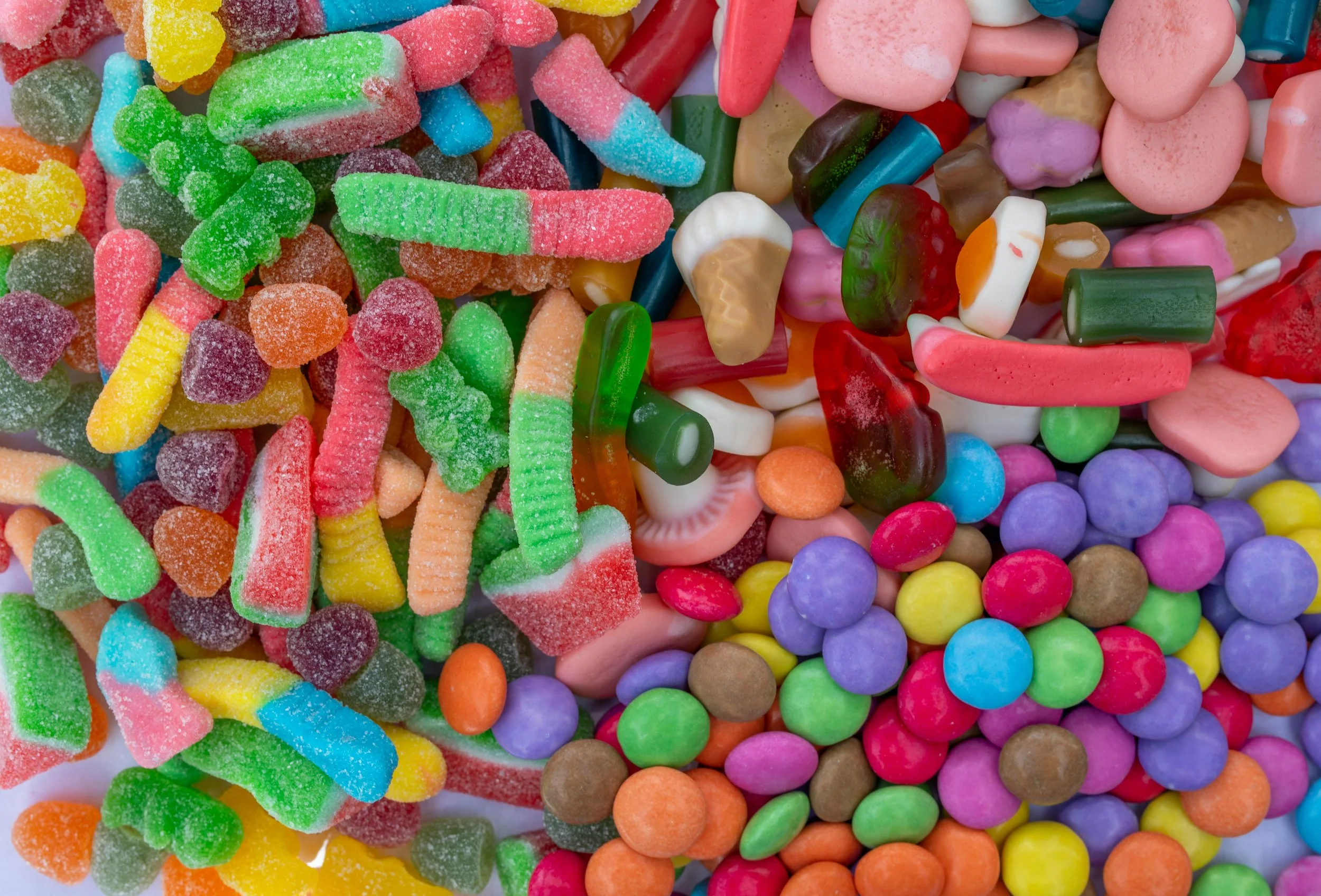
The artificial rainbow. Walk through almost any rink lobby or sports facility, and it’s easy to spot. Fun, bright red drinks. Golden corn chips.
Artificial food dyes are made from petroleum and, in some cases, coal tar derivatives. They’re processed and added to food to make it look brighter and more visually appealing.
These dyes are everywhere, despite adding zero nutritional value. Worse, many contain substances linked to growing concerns about their long-term effects on kids’ health.
That’s why we left them out.
The dyes we banned
The FDA classifies these artificial dyes as certified color additives. On ingredient lists, they appear as “FD&C” colors - short for Food, Drug, and Cosmetic.
The tricky part is that the same dye can show up under multiple names.
In Europe, for example, these dyes are listed under an E-number system, a standardized shorthand for identifying approved food additives.
Below are the dyes we ban in our machines. We’ve also included the other names they go under to make them easier to spot. Some of these names aren't standard on U.S. food labels, but they can appear on imported snacks.
FD&C Red No. 40
Alternative names: Allura Red AC, Fancy Red, and E129
Red 40 is one of the most widely used artificial dyes in the US. You’ll find it everywhere, in gummies, sports drinks, fruit snacks, and bars. If something is bright red or deep purple, there’s a good chance Red 40 is involved.
FD&C Yellow No. 5
Alternative names: Tartrazine, Acid Yellow 23, Food Yellow 4, Tartrazine Lake, Yellow Lake 69, and E102
You’ll find Yellow 5 in chips and snack foods that rely on that bright golden color. Manufacturers also use it to create neon green shades.
On some ingredient labels, Yellow 5 can also be listed as Tartrazine or Yellow 5 Lake. “Lake” versions are dyes bound to metallic salts, commonly used in candies.
FD&C Yellow No. 6
Alternative names: Sunset Yellow, Orange Yellow S, C.I. Food Yellow 3, and E110
Yellow 6 shows up in “goldfish-colored” snacks. Cheese crackers, citrus-flavored drinks, and flavored chips rely on Yellow 6 to get that attractive orange hue.
FD&C Blue No. 1
Alternative names: Brilliant Blue and E133
Blue 1 is responsible for many electric blue colors you see in tongue-dyeing candies. It’s also commonly used in sports drinks.
FD&C Blue No. 2
Alternative names: Indigotine, Indigo Carmine, Indigo Blue, Acid Blue 74, and E132
Blue 2 is less common, but it still appears in novelty snacks. Manufacturers often combine it with Red 40 or Yellow 5 to get darker colors.
FD&C Green No. 3
Alternative names: Fast Green, Solid Green, Green 1724, and E143
Green 3 is another less common dye, but it’s still approved for use in the United States.
Artificial dyes are just one category of ingredients we avoid. Here are the other ingredients you should never see in a kids vending machine.
Why this is worth paying attention to
For many families, the artificial dye conversation started with behavior. Parents noticed certain snacks seemed to affect their kids differently. More energy that doesn’t settle. A harder time winding down after coming home from venues like hockey rinks and sports centers.
And it’s not a coincidence.
Food dyes are as bad as seed oils when it comes to long-term issues. Studies have raised questions about their effects on a child’s health.
Here’s what the research shows about artificial dyes in kids’ snacks.
They impact kids’ behaviors
Studies on artificial food dyes, especially Yellow 5, suggest they may affect children’s behavior. They don’t cause ADHD or anxiety. But they may worsen existing symptoms or make behaviors linked with those conditions harder to manage. Reported effects include more hyperactivity, difficulty focusing, and mood swings.
They worsen existing food hypersensitivity issues
If kids already have food allergies or hypersensitivities, research suggests artificial dyes may trigger or worsen those reactions. That can show up as hives, itching, or asthma-like symptoms. In rare cases, dyes like Red 40 and Blue 1 can also trigger allergy-like responses in children.
They affect sleep
A less common effect of artificial food dyes is sleep disruption. That’s because they may affect brain signaling and sleep rhythms. That can show up as restlessness, mood changes, and more hyperactivity.
They may cause cancer
It’s true that human studies haven’t associated artificial food dyes with cancer. But some animal and lab research has raised this concern.
Red 40, for example, showed signs of DNA damage under lab conditions. Animal studies found a possible link to colon inflammation when paired with a high-fat diet.
Yellow 5 and Yellow 6, on the other hand, have contamination issues. They may have benzidine in them, a known carcinogen.
How Europe handles artificial dyes differently from the US
Concerns about artificial food dyes have grown enough in Europe that the European Union (EU) introduced a warning system in 2010. Foods containing synthetic colors, like Yellow 5, Yellow 6, Red 40, and Ponceau 4R (not approved in the US), must have a warning label.
The label is:
“May have an adverse effect on activity and attention in children.”
This rule followed research examining links between these dyes and the mentioned behavioral changes in children.
Most of these dyes are still widely used in the US. In Europe, they have an actual warning label. That alone raises the question of whether they belong in kids' vending snacks.
What’s in our machines instead
Kids still want snacks that look good. That part still matters. Healthy doesn’t mean boring.
So we stock hand-selected products that still deliver on taste and visual appeal, without the unnecessary extras. Specifically, no artificial dyes, seed oils, high-fructose corn syrup, or synthetic additives. But kids must still recognize them as treats.
Snacks like UNREAL chocolate and Chomps meat sticks are in our mix.
We’re transparent about everything we sell. You can check our full list of snacks and drinks here.
How to find hidden dyes on a label
Artificial dyes usually appear near the bottom of the ingredient list because they’re used in small amounts. But they’re still there.
Here’s what you can do when scanning for these dyes:
Look out for alternative names. As we’ve mentioned, dyes appear under different names in many regulatory systems. If it doesn’t show a number, that doesn’t automatically mean it’s not artificial.
Check the ingredient list’s length. Fewer ingredients mean a cleaner snack.
Bright colors are usually a dead giveaway. Neon gummies and bright green drinks rarely get those colors from natural sources.
The simple takeaway
Once you know their names, you start seeing artificial dyes everywhere. Like many additives, they’ve been mass-produced for so long that they’ve been normalized.
But reading ingredient lists one by one is exhausting for any parent. That's especially true in kids' venues, where parents aren't always present when snack choices are made.
That’s where clean vending fits in.
It offers a simple, convenient way to choose snacks without artificial dyes, without the constant label checking.
So kids still get snacks that look and taste good. And parents deal with fewer unknowns in the mix.
Better Snacks Co. places clean, healthy vending machines in all kinds of kids facilities. No seed oils, no dyes, no junk – and no hassle for your staff. Request more information.