
The difference between avocado oil and seed oils – and why it matters
Look at today’s vending machine snacks, and you’ll often see products made with avocado oil. It’s an ingredient that gets talked about a lot, especially in comparison to seed oils.
They may sit in the same category on paper, but they’re produced in very different ways.
That difference starts with how each oil is extracted.
What is avocado oil?
No, avocado oil isn’t a seed oil.
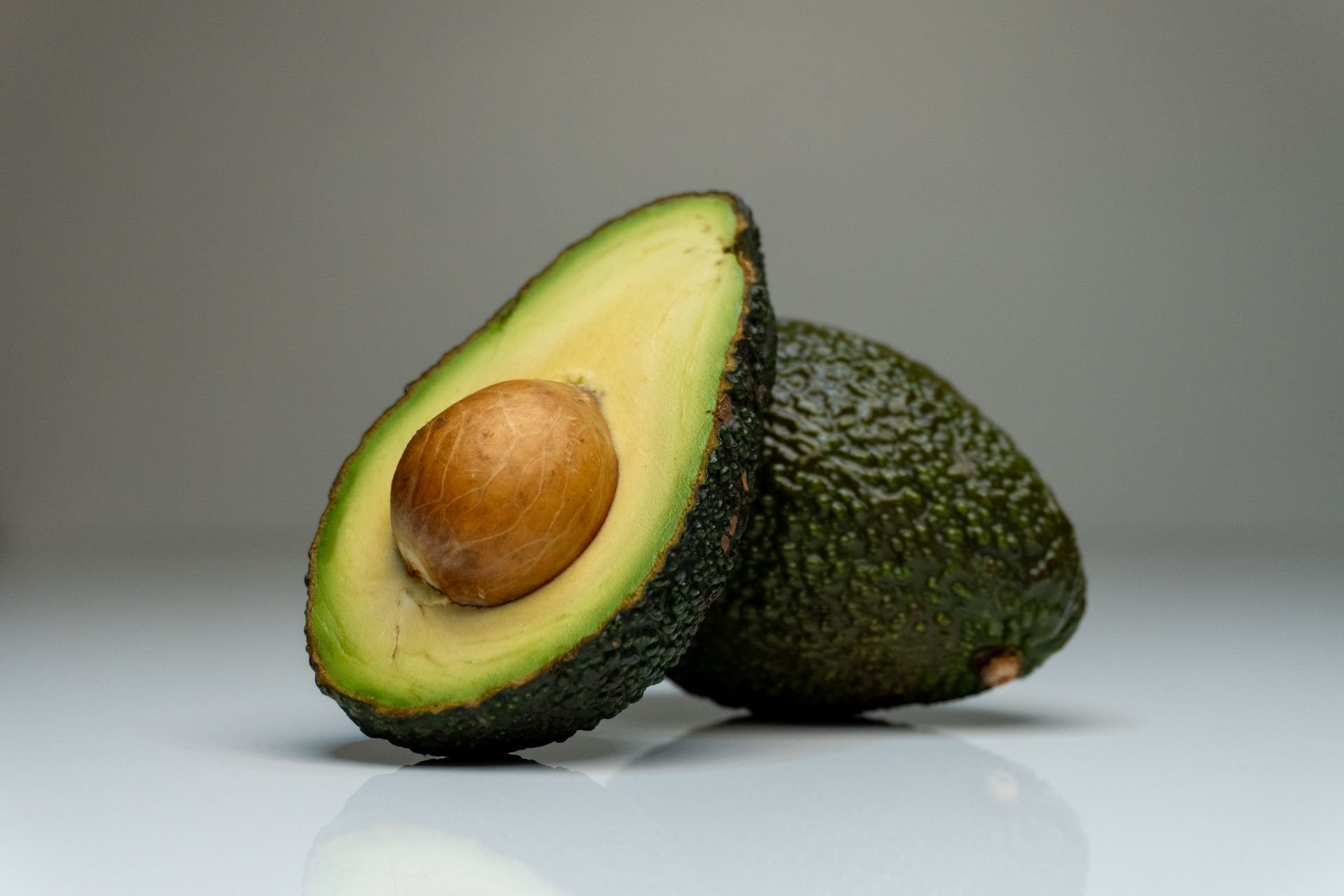
It’s made from the fruit’s green flesh, mashed into a pulp before the oil is extracted.
Avocado oil naturally contains oleic acid, polyunsaturated fats, carotenoids, and other antioxidants that studies have linked to better heart, eye, and skin health. It’s one of the ingredients you’ll find in the clean snacks and drinks we chose for our vending machines.
Unlike avocado oil, seed oils go through a more intensive manufacturing process, which can affect their nutrient content. They’re also high in omega-6 fatty acids - a type of unsaturated fat. Some researchers suggest that excess omega-6 may cause inflammation.
Avocado oil vs. Seed oils
When comparing avocado oil and seed oils, the biggest difference isn't the color or taste. It's the processing method.
Most seed oils are chemically extracted
Seed oils like canola, soybean, sunflower, corn, cottonseed, and safflower are usually chemically extracted instead of mechanically pressed. That’s because those seeds have fibrous coats and rigid structures that make full extraction through pressing difficult.
Manufacturers also prefer chemical extraction because it pulls more oil out at a lower cost, which is why seed oils are used so widely.
Solvents like hexane are used to extract oil from the seeds. The hexane is boiled off. The crude oil that remains is then refined, which includes bleaching and deodorizing. After that, the oil is filtered and processed further before it’s used as a snack ingredient.
Avocado oil is often cold-pressed
Most avocado oil is cold-pressed, a mechanical process that uses pressure to extract the oil without chemical solvents.
The avocado flesh undergoes malaxation, where it’s ground into a paste and slowly mixed. It then goes through a high-speed centrifuge, which separates the oil and water from the pulp. Final polishing centrifuges separate the oil from any remaining water.
Not all avocado oils are made the same, but the process is straightforward.
A small detail that matters
Parents are reading ingredient labels more closely than they used to.
Many vending machines weren’t built with that in mind.
In places like hockey rinks, sports complexes, and recreation centers, the goal is simple. Make it easier for kids to grab snacks with simpler ingredients and cleaner fats like avocado oil, instead of heavily processed alternatives that are harder to trace and explain.
Better Snacks Co. places clean, healthy vending machines in all kinds of kids facilities. No seed oils, no dyes, no junk – and no hassle for your staff. Request more information.