What makes a vending machine actually healthy for kids (and what most get wrong)
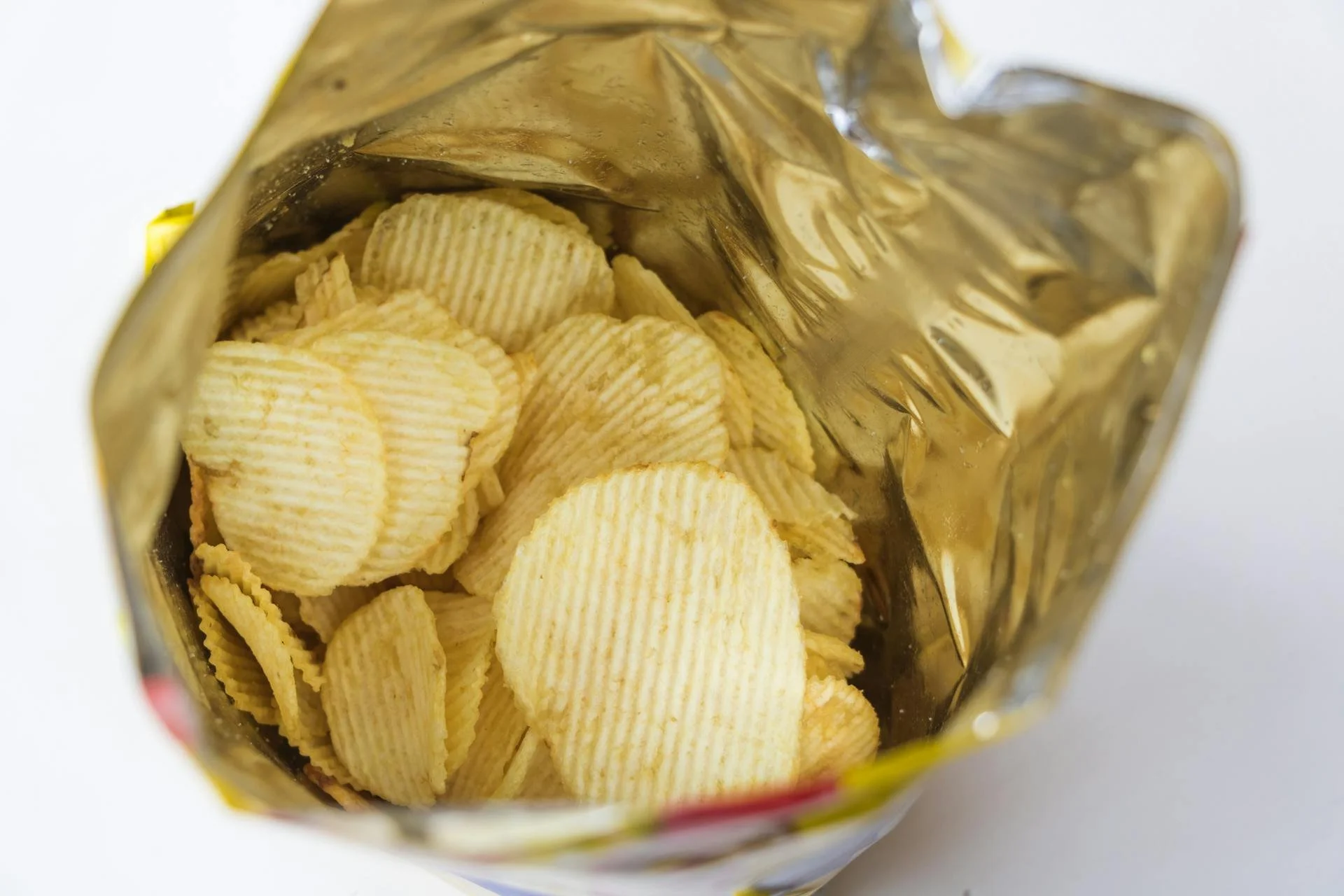
Most vending machines aren’t designed around kids. They’re built for shelf life, low cost, and easy distribution. That’s why “healthy” often gets reduced to low-calorie labels, bright packaging, or a few buzzwords on the front.
At the same time, more parents are paying attention to what’s actually inside packaged food. They’re reading labels more closely. Snack choices are becoming more intentional, especially in places where kids are active.
A vending machine that’s actually healthy goes beyond marketing. It looks closely at what’s inside each snack, ingredient by ingredient.
1. Free of seed oils
Seed oils are common in packaged snacks because they’re cheap, shelf-stable, and scalable in manufacturing. They’re usually canola, soybean, sunflower, corn, or the vague “vegetable” oil.
The big issue is that these oils show up everywhere, especially in ultra-processed snacks. They’re in the usual crackers, pretzels, and bars - food built for convenience and overconsumption, not nutrition.
If you want know more about seed oils, read the details here.
2. Free of refined or artificial sugars
Refined sugar and artificial sweeteners like aspartame and acesulfame potassium are linked to health concerns when they make up a large part of a kid’s diet.
In sports and recreation venues, kids are exposed to these snacks more often. That repetition quietly increases total intake over time.
3. Free of harmful preservatives
Preservatives extend shelf life. But large-scale studies show that diets high in ultra-processed foods with harmful preservatives are linked to higher rates of heart disease. For kids, this matters because these foods often become regular snacks and can be part of their diet for years.
4. Free of GMOs
GMOs are plants with altered genetic material. Many GMO-linked ingredients show up in ultra-processed snacks made with corn, soy, and canola. The usual culprits are cheese crackers and chips.
This circles back to the same issue - heavily processed food built around low-cost commodity ingredients, not built for nutrition.
5. Free of artificial or “natural” flavors
Artificial flavors are lab-made compounds designed to mimic taste. They’re common in kids’ snacks, creating strong, familiar flavors without real ingredients.
“Natural flavors” sounds better. But the term itself still covers highly processed flavoring substances. In fact, the word “natural” plastered on labels is unregulated. So it doesn’t automatically mean the food is healthier.
6. Free of harmful pesticides and chemicals
Many families look for cleaner ingredient sourcing because pesticide exposure matters, especially for growing kids. Even small residues can add up when the same types of foods show up daily.
Of course, parents don’t have the time to trace every ingredient back to the farm it came from. That’s why a simpler option, like a clean vending machine with meticulously selected snacks, removes a lot of that guesswork.
7. Free of artificial food colorings
Bright colors may sell the snack. But they don’t improve it. Some research even suggests that artificial dyes like Red 40, Yellow 5, and Yellow 6, especially when combined with preservatives, cause food sensitivities in some kids.
8. Free of ultra-processed ingredients
Large-scale studies show diets high in ultra-processed foods are associated with obesity, type 2 diabetes, and heart disease. These snacks come with long ingredient lists and heavy processing. That’s why we stick to snacks with short, simple ingredient lists.
9. Free of harmful toxins
The “toxins” in kids’ snacks are just additives and highly processed ingredients that have become standard in packaged foods. Certain emulsifiers, stabilizers, bleaching agents, and other synthetic compounds often show up in chips and candy to improve texture, taste, and shelf life.
The more formulated a snack is, the more processing it usually goes through. And the more ingredients appear that you wouldn’t normally use at home. So simpler ingredient lists means fewer of those harmful extras.
10. Free of harmful fragrances
Like artificial flavors, fragrances are compounds used to mimic tastes like fruit or cheese without using the actual ingredients. They mask the quality of what’s actually in the food. That’s why they’re better kept out of kids’ hands.
The bottom line
All of these points in the same direction. Small ingredients that shouldn’t be in food, combined with repeated dietary patterns, lead to big health concerns.
And parents are becoming more aware of this.
A truly healthy vending machine removes the guesswork. It stocks snacks with carefully selected ingredients, so parents don’t have to second-guess what’s inside.
So when a child walks up hungry after a game, the question becomes simple. Are they getting a clean, straightforward snack, or something built mostly for shelf life, marketing, and convenience?
Better Snacks Co. places clean, healthy vending machines in all kinds of kids facilities. No seed oils, no dyes, no junk – and no hassle for your staff. Request more information.