
Why "no added sugar" doesn't always mean what you think it means
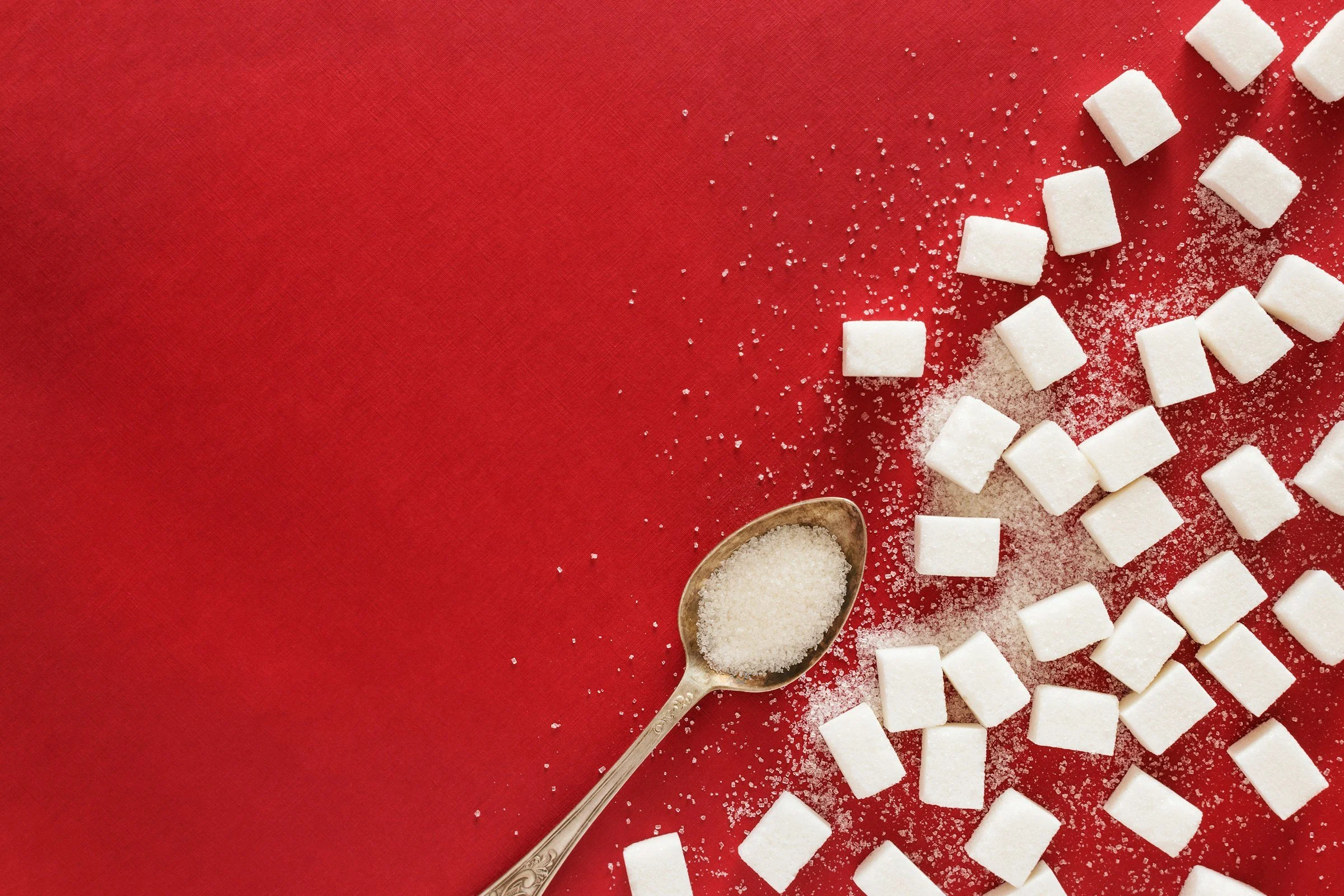
A "no added sugar" claim can sound reassuring. But it doesn't tell the whole story.
It doesn't guarantee a product is low in sugar or free of other sweeteners. It simply means no sugar was added during production.
Naturally occurring sugars, sugar substitutes, and a product's total sugar content are separate considerations.
Understanding what the claim actually means makes buying snacks for your family a lot easier.
What does "no added sugar" mean?
In 2016, the U.S. Food and Drug Administration (FDA) updated the Nutrition Facts label to list "Total Sugars" and "Added Sugars" separately.
A "no added sugar" claim means no sugar or sugar-containing ingredients were added during manufacturing. That means the product wasn't sweetened beyond what its ingredients naturally contained.
The "Total Sugars" line on the Nutrition Facts label includes both naturally occurring sugars and those added sugars.
How is "no added sugar" different from "sugar-free"?
These two claims aren't interchangeable.
While "no added sugar" means no sugar was added during production, "sugar-free" is a stricter claim. It means a product contains less than 0.5 grams of sugar (natural and added) per serving. It also often relies on artificial sweeteners.
What are the loopholes of the "no added sugar" claim?
The claim only explains one part of the product. There's still more to the ingredient list.
It doesn't cover sugar alcohols and artificial sweeteners
Some products replace actual sugar with sugar alcohols, like erythritol or xylitol, or artificial sweeteners, like sucralose or aspartame.
These ingredients fall into a different category. So they aren't included as added sugars.
Many people choose to limit these sugar substitutes because of concerns about their potential effects. While they have less impact on blood sugar, some research has linked frequent consumption to digestive issues and other health concerns.
Total carbohydrates can still be high
Looking at nutrition claims rarely tells you everything. Take maltodextrin. It’s a highly processed starch. It doesn't appear under the "Sugars" or "Added Sugars" line on the Nutrition Facts label. Instead, it's included under "Total Carbohydrates."
Even though it isn't technically a sugar, maltodextrin is still rapidly digested and has a high glycemic index.
So if a product contains a lot of maltodextrin, it can still spike your blood sugar, even if it claims "no added sugar."
Natural sugars can still add up
Many foods naturally contain sugar. Milk has lactose. Fruit has fructose. Those sugars remain during production, even when nothing extra is added.
So a 100% fruit smoothie can legally say "no added sugar" while still containing a high amount of total sugar.
The zero-gram rule and multiple servings
FDA labeling rules allow manufacturers to round sugar down to 0 grams when a serving contains less than 0.5 grams.
For example, a product with 0.4 grams of sugar per serving can still be labeled as containing 0 grams.
One serving isn't much. But those small amounts can add up if you eat multiple servings over the course of a day.
The FDA isn't the only agency setting food standards. The USDA's Smart Snacks standards for schools have limitations, too. Here's what they cover, and what they don't.
What healthy vending machines do differently
A "no added sugar" label isn't necessarily misleading. It simply doesn't tell you everything. The Nutrition Facts panel and ingredient list fill in the rest.
But that doesn't mean you have to avoid every food with added sugar.
It’s about knowing what's in the product so you can make informed choices without any surprises.
That's also why we have strict snack standards. We look beyond front-of-package claims and review every ingredient list.
Every snack in our machines has no seed oils, no artificial dyes, and no junk, along with reasonable sugar levels.
No surprises.
Better Snacks Co. places clean, healthy vending machines in all kinds of kids facilities. No seed oils, no dyes, no junk – and no hassle for your staff. Request more information.